Camp Cooking on Race Weekend: Feeding a Full Crew
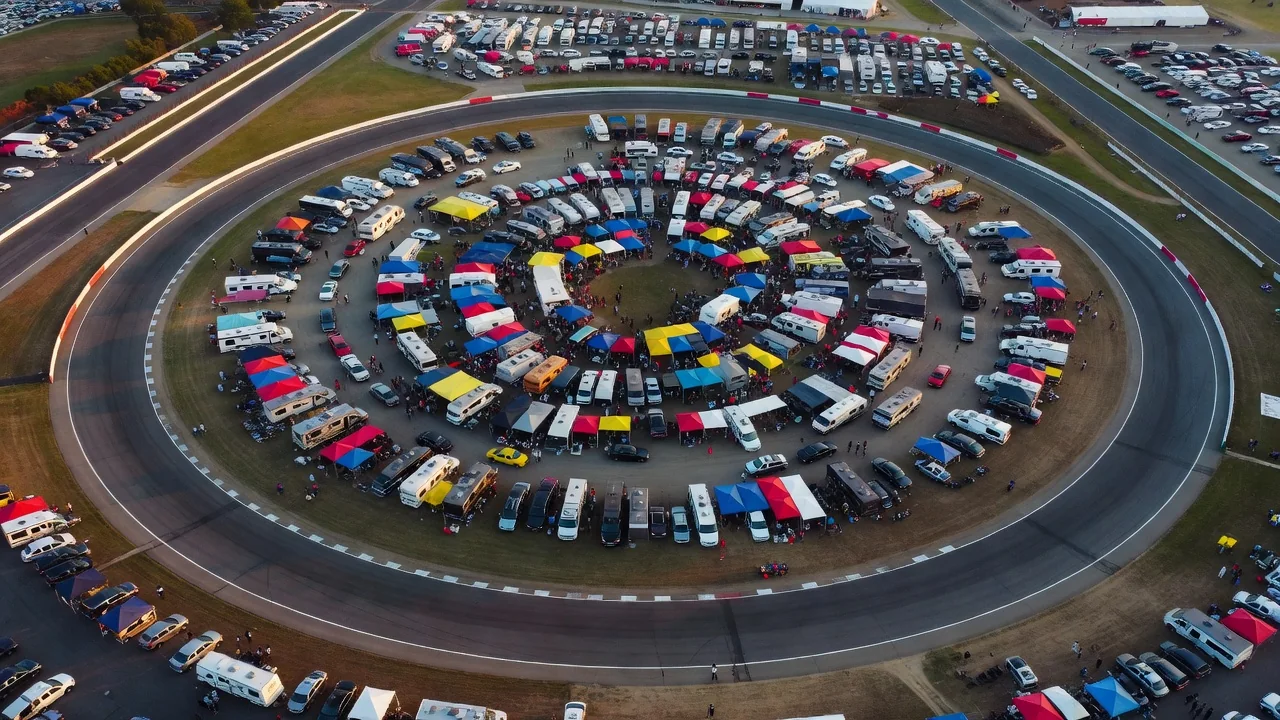
Feeding a full crew at a race weekend is a logistics problem dressed up as a holiday. There are no hook-ups at the sites, the nearest shops fill with traffic on race mornings, and everyone is hungry at slightly different times. The guests who eat well at Speedway Sports Park are the ones who plan the week's food before they leave home rather than improvising at the last minute.
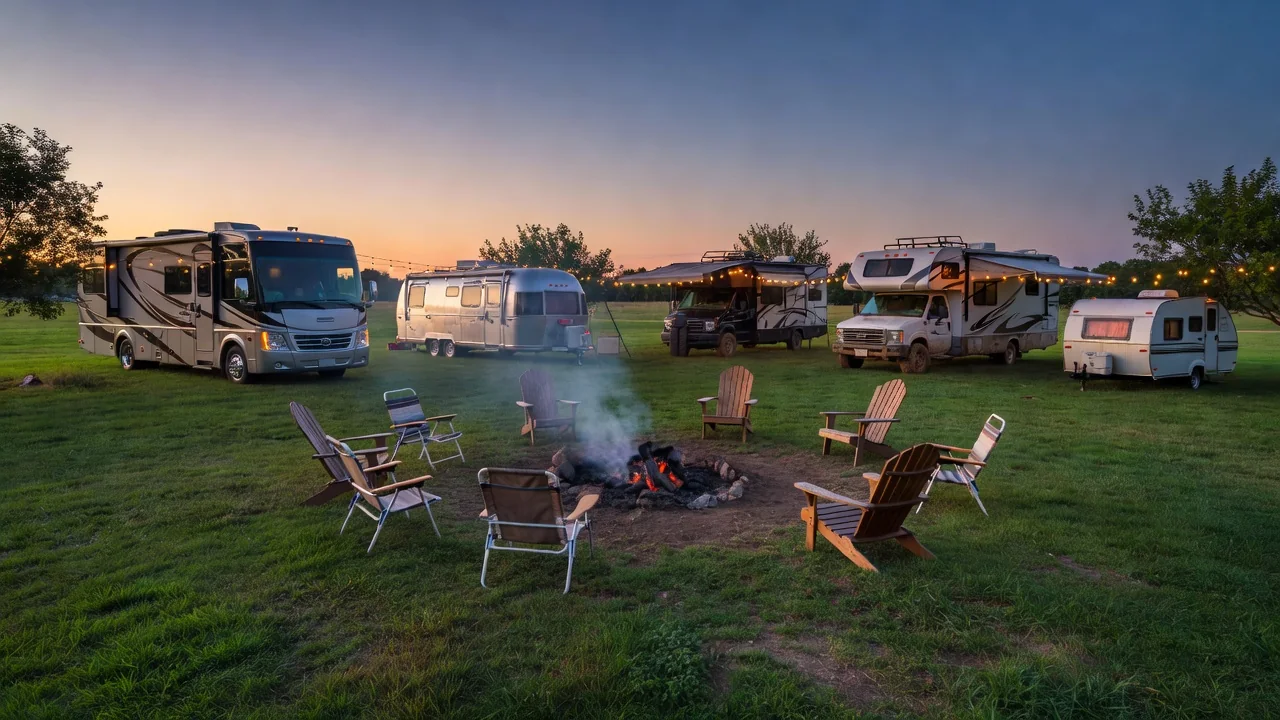
The good news is that camp cooking suits the rhythm of a race week. Mornings are slow, afternoons are busy at the track, and the evenings belong to the fire. A menu built around those three moods, with a little forward planning, feeds any number of people without turning the campsite into a canteen.
Cooking without hook-ups
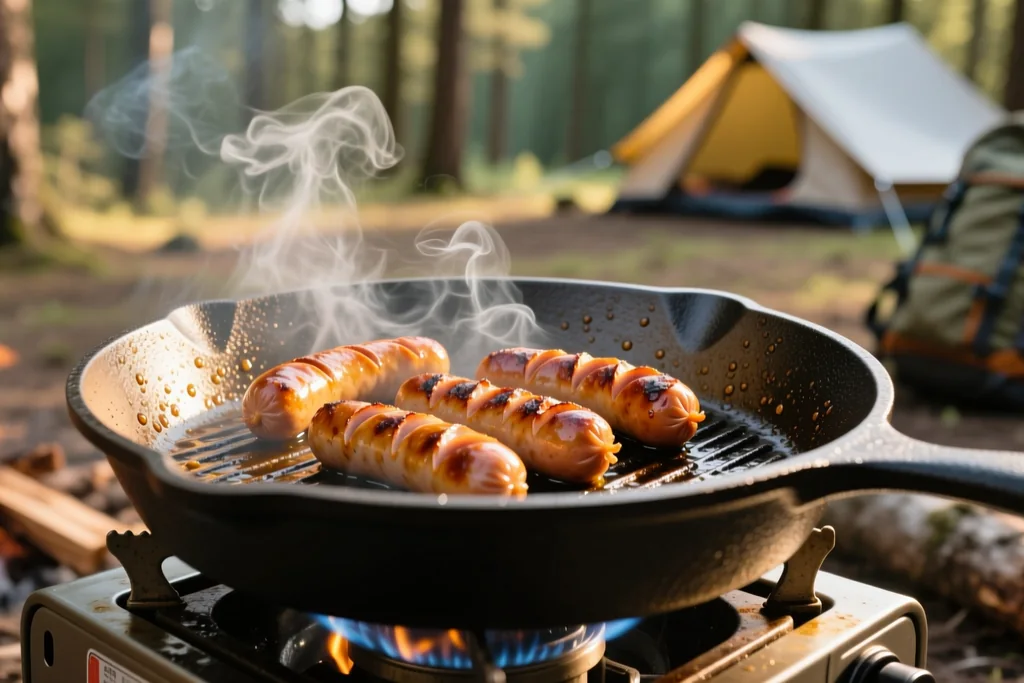
Without shore power, your kitchen runs on gas and firewood, so choose meals that need one heat source rather than three. A single well-managed grill or camp stove handles almost everything a race-weekend menu requires. Fans of elaborate recipes at home usually simplify on the road, and nobody at the park minds.
Fuel discipline matters as much as the food. Check your propane and your stove fuel before departure, and keep a spare canister unless you enjoy doing the week's cooking over a fire in the rain. Firewood must be compliant, because New Hampshire law prohibits out-of-state supply, and the park sells and delivers wood that is.
Planning the menu around the week
Think of the menu in three blocks and the shopping list writes itself. Breakfasts should be quick and forgiving, because race mornings start early and nobody wants to cook properly at dawn. Lunches are best made in advance and carried, and dinners belong to the evening, when the fire is lit and the row has time.
Repeating a small number of meals is not lazy planning; it is good practice. A crew that eats the same reliable breakfast every day wastes no food and has no arguments about it. Save the ambitious cooking for one or two evenings when the whole group is present and the schedule is quiet.
| Meal | What works | Why it suits the week |
|---|---|---|
| Breakfast | Coffee, eggs, porridge, fruit | Fast, cheap and predictable |
| Lunch | Wraps, sandwiches and cold sides | Made ahead and carried to the track |
| Dinner | One-pot dishes and grilled meat | Cooked once for a whole group |
| Evening snacks | Nuts, cheese and something sweet | Keeps the fire-side hours going |
Coolers, ice and food safety
Food safety at a summer race weekend is not a detail. Warm days and imperfect refrigeration are exactly the conditions that spoil meat quickly, so pack coolers tightly, keep raw food separated from ready-to-eat items, and drain melted water rather than letting it pool. Anything that has been warm for hours should not be eaten to save waste.
Ice is the quiet currency of the park. Buy more than you think you need, keep it in a dedicated cooler that is opened rarely, and refill early in the day before the shops are busy. A block of ice lasts far longer than cubes, and a frozen bottle doubles as drinking water later in the week.
The grill, the fire and the Sunday cookout
A grill does most of the work of a race-weekend kitchen, and a fire does the rest. Set the grill up where the wind cannot tip it and where smoke will not drift straight into a neighbour's awning. A little forethought about placement keeps the whole row friendly and the cooking pleasant.
The park's Sunday cookout is the one meal you do not have to cook, and it is worth prioritising. It gathers the park at a single table before everyone begins packing up, and it marks the end of the week better than any schedule could. Bring an appetite and something to share, and let the last day look after itself.
Feeding a big group
- Agree a cooking rota so the same two people are not stuck at the stove all week.
- Cook in one large pot rather than several small ones; it saves fuel and cleaning.
- Keep serving utensils and each group's own plates and cups separate to reduce washing.
- Plan at least one no-cook meal in case the weather turns wet.
- Store food in sealed containers, because squirrels in the tree line are persistent.
Cleaning up as you go is the difference between a pleasant week and a mounting pile of pans. Wash in a small basin, dispose of waste water sensibly and take rubbish to a dumpster the same evening, not the following afternoon.
Cleaning up and leaving no trace
The park provides dumpsters throughout, and using them promptly keeps the site liveable and the row clean. Food waste in particular should never sit out overnight, because it attracts animals and sours a site faster than anything else you can do. A two-minute tidy after each meal prevents an hour of work on Monday.
When the coolers are empty and the grill has cooled, pack the kitchen down properly before you sleep on the final night. A clean, organised camp is easier to leave early, and the dump station is far quieter before the Monday rush than during it. Feed people well, keep the site clean, and race-weekend cooking becomes the easiest part of the trip rather than the hardest.